
bg-image

Second Sunday of Lent – “Listen to him”

Gen. 12:1-4a; Ps. 33:4-5, 18-20, 22; 2 Tim. 1:8b-10; Mt.17:1-9

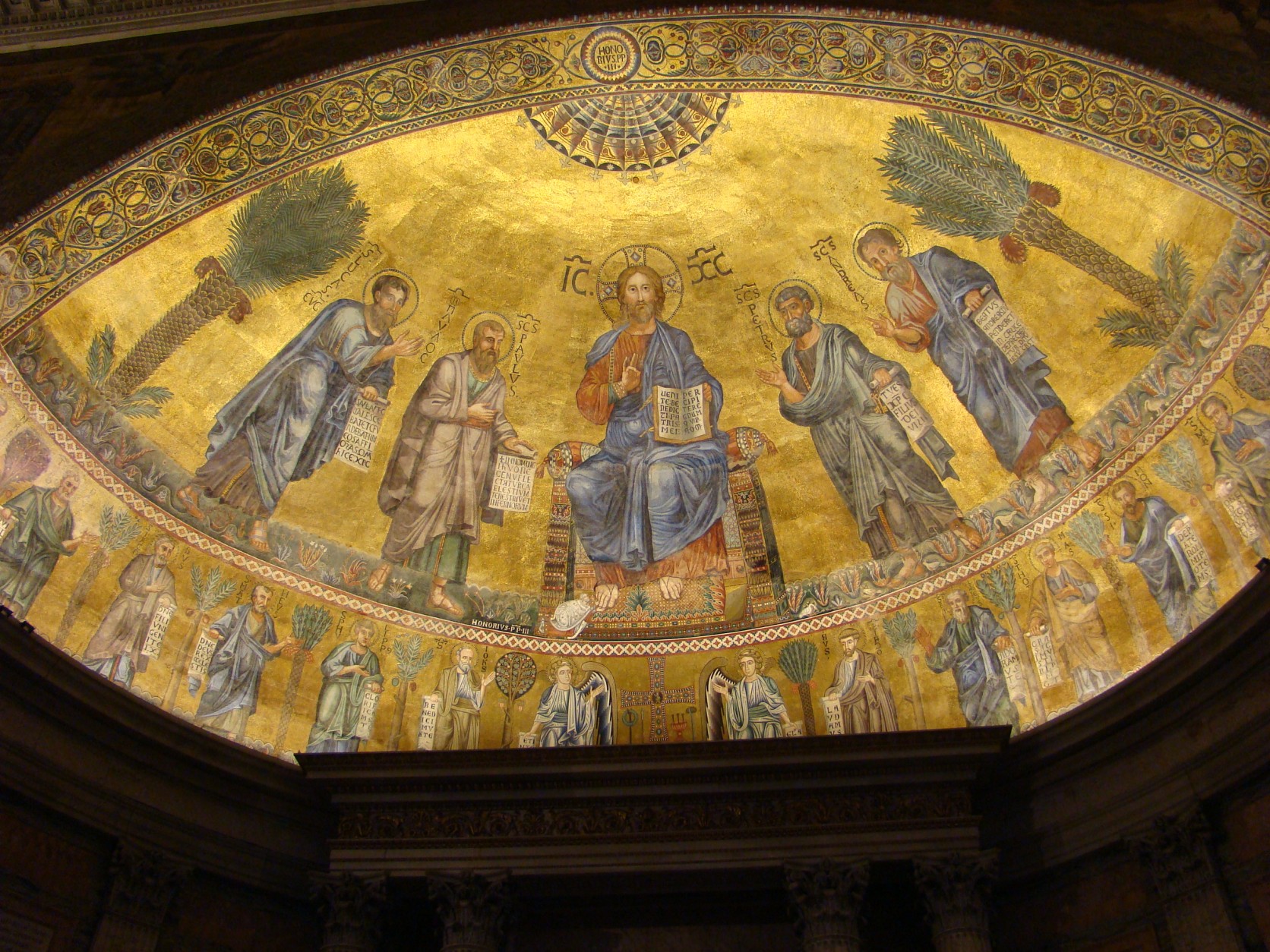
The voice of God is a command “listen to him” to his beloved Son, Jesus.  The transfiguration of Jesus with Moses and Elijah appearing at his side in conversation is also a sign that “death” is no more than a transition into the eternal.  It is the death of the flesh and with it the death to sin for those who responded to the call to “listen to him” with believing, following, and trusting in the divine will of the Father.  The ashes from Ash Wednesday are a reminder that there is a death to the body “from dust you are and to dust you shall return” but the soul is eternal. 

When the Lord sends Abram away from his homeland with a blessing and a promise, Abram listened to him and was obedient.  It was a renewal from the disobedience and fall that fell upon Adam and Eve.  It was to regain the promise land and make a great nation for God and his people.  Without knowing where he was going, Abram trusted in God to guide him.  How well do we trust in God to lead us according to his ways?  Our life is a journey we can choose to make alone or with God as our guide.  God is our guide when we walk in his ways that have already been revealed to us by Jesus if we listen to him. 

Lent is our time to take a step back and wait upon the Lord to speak to our soul.  We wait through prayer, contemplation, and reflection upon the Word.  We wait through the act of fasting and abstinence as a form of discipline of the flesh as we deny ourselves the simple pleasures in order to experience the taste of our mortality.  Fulton Sheen soon to be beatified is quoted as saying to be a saint we must be in the “now”.  God reveals himself in the moment, in our awareness of his presence in our life in each and every moment that our minds and hearts turn to him, call to him, give thanks to him, praise his name. 

God calls us to a holy life through “his own design” for our life. It is not God who must bend “to our works” but we must listen to him if we seek holiness.  This is the warning when we read in scripture how many came to Jesus claiming to have done many “works” for God yet God does not recognize them.  Why?  Could it be that we created a god in our own image who would agree with us in our vision of truth, goodness and justice yet we never stopped to listen to him. 

We are to seek the will of God in the moment that can transfigure our own life yet it is in the moment when we forget about God and respond with our own strong will.  Human behavior is often a “read and react” to the situation and not give God a moment in which we also listen to him coming to us with how we are to respond to the moment.  God comes to us in the moment as an inspiration through the Holy Spirit that we may give witness to him in imitation of Christ.  This is what it means to put on “the mind of Christ” and be an instrument in his hand. 

Lent is the call for inner transformation, spiritual growth, and union with God that we may be a light to the world.  Jesus comes to us in the moment in which we live the gospel.  He will manifest his revelation as we receive the grace to go forth and trust in God.  The soul is filled with hope that is not blind or naïve but grounded in the path that is revealed to us because we trusted in him.  The psalm reminds us “our soul waits for the LORD” and he will not delay.  He comes at the appointed moment with his love and mercy when we place our trust in him. 

Just like Jesus took Peter, James and John and led them to a high mountain by themselves, God is leading us to a high place this Lent where we can hear his voice and “rise” above our own humanity, where we can taste and see the goodness of the Lord, where our soul can discover our true identity as a child of God and be set free from sin, from doubt, and from fear.  Speak Lord, your servant is listening. 
Tags
Shared this
Views

69 views


bg-image

2nd Sunday of Lent – The Transfiguration

Gen. 15:5-12, 17-18; Ps. 27:1, 7-9, 13-14; Phil. 3:17—4:1; Lk. 9:28b-36

The Transfiguration of Jesus is a revelation of the glory of God in the person of Jesus true God and true man “listen to Him”.  It is also a revelation that not only is Elijah and Moses alive in heaven but all those called to sainthood who responded in this life by giving up their mortal life in this world for the eternal one to come at the end of life.  When the Holy Spirit comes, we enter into the transfiguration to be holy as priest, prophet and king.  Today we are the ones being called to holiness, to be transformed into the image of Christ, to walk transfigured as the light in the darkness of the world. 

The transfiguration of Abram began as he put “his faith in the Lord…as an act of righteousness.”  Abram’s transfiguration came as he obeyed the Lord bringing forth the sacrificial gifts commanded of him.  Abram fell into a “trance” and in the darkness of the night “there appeared a smoking fire pot and a flaming torch” and God made “a covenant with Abram, saying: ‘To your descendants I give this land, from the Wadi of Egypt to the Great River, the Euphrates.”  If we desire the same change in our lives to receive the promise then it begins with our obedience to the sacraments of the church to who the keys to the kingdom were given.  In them we bring the gift of ourselves as the sacrifice just as Jesus gave witness by his obedience and sacrifice of himself on the cross.  We are to take up our cross and follow in his footsteps and be transformed into his image.

St. Paul in his letter to the Philippians reminds us that many “conduct themselves as enemies of the cross of Christ.  Their end is destruction.”  He invites us to be “imitators” of him who is the imitator of Christ.  The transfiguration of our mortal self from death to life will never come from “being occupied with earthly things.”  It can only give testimony to our “shame”.  Jesus will “change our lowly body to conform with his glorified body” and we will be like him transfigured into the glorified state of heaven.  Our call this day is to enter into the discipline of Lent with the goal of transforming our minds, hearts and bodies.  The Lord provides the channel of grace through fasting, abstinence and alms giving. 

The transfiguration of our bodies through fasting is a purging of the habit of indulgence of the flesh to rule our bodies and not be ruled by the hunger of the body.  The transfiguration of our heart is through abstinence from sin and the near temptation to sin that our eyes may gaze upon the passion of the Lord and not on our earthly passions.  The transfiguration of the mind is through our almsgiving that we may focus on the needs of others and by our generosity receive the reward of heaven.  We are invited to be transfigured by transforming our very self into the image of Christ as we offer our very self up to him and pray “let thy will be done on earth as it is in heaven.” 

The transfiguration of Jesus came prior to his death and resurrection as a sign of hope and a calling that we are not to wait for death to enter holiness.  Holiness is to be our walk with Jesus this day.  Holiness manifests itself as a “servant” of Jesus willing to take up our cross and follow to the land of “milk and honey”, the promise land into the kingdom of God.  This comes to us when we do as God the Father says to Peter, John and James “This is my chosen Son; listen to him.”  Are we listening?  Lent is a call to increase our listening by prayer, study of the Word, and worship in fellowship as the body of Christ in the celebration of the Mass.  We listen to the voice of God in the liturgy and the word of knowledge sends us forth to do the works of the Lord. 

Jesus speaks to our soul as our mind is stilled to listen, our heart burns with understanding, and we are moved to right action.  By the Lord’s grace we come to know him, love him and serve him.  Let us call upon Jesus Christ to receive his grace and be transformed into his image and we will join in the chorus of the saints “The Lord is my light and my salvation” in him do I live, move, and celebrate with the angels and the saints.  Our transfiguration is a deepening of our faith, hope and love.  By deepening ourselves in Christ we become detached to the offering of the world that is transient and we are focused on what is salvific and eternal.  Jesus saves!  Our destiny is eternal.  Lent calls us to examine ourselves, our priorities, and our purpose in living and see where are we headed. 

The path of righteousness is a choice.  Choose life, choose love, choose Jesus and all other gifts will follow.  Lent is a time to prepare our “toolbox” for overcoming this world.  Jesus comes in the transfiguration from the old self to the redeemed self.  In him we are saved! Listen to him and be saved.

Tags
Shared this
Views

376 views