
Acts. 12:1-11; Ps. 34:2-9; 2 Tim. 4:6-8, 17-18; Mt. 16:13-19
“But who do you say that I am?” This question by Jesus to the apostles was answered by Saints Peter and Paul not just with words but with actions following in the footsteps of Jesus to lay their life down for their faith in him. What is our action of faith that speaks louder than words in answering the question for ourselves? True faith is reflected in our actions and our actions strengthen our faith that we may stand strong against the powers of the evil one. Who Jesus is in our life is based on our relationship with him, our daily walk and talk to God in three persons, worship of the Father, love of Jesus and calling to the Holy Spirit to sanctify us.
King Herod had “James, the brother of John killed by the sword” and now Peter is arrested expecting a similar fate. What is also happening is that “prayer by the Church was fervently being made to God on his behalf”. Intercessory prayer by the Church is a powerful source of prayer and God hears the prayer of the faithful. God sent his angel to free him from the bonds of evil because his work was not done. Peter is being formed in the image of Christ, just as Christ was imprisoned in Jerusalem during the feast of Unleavened Bread so is Peter imprisoned during this same season but for now the angel says to Peter to “get dressed” meaning it is not his time to die. There will be a future time it will be his time to be martyred and others will dress him and lead him where he does not want to go.
Peter would still be martyred but on God’s time after the early church had grown and established itself as a force under the authority of the apostles. We too have a window of time in this world with a divine purpose called to give of ourselves for God’s greater good. This is how we answer the question of who God is for us fulfilling what we are called to be.
St. Paul gives us a beautiful literary farewell “poured out like a libation…competed well…finished the race…kept the faith…the crown of righteousness awaits me”. It is so good and poetic that we can forget how much he suffered as he poured out his heart and ran a race to spread the word of salvation “rescued from the lion’s mouth” before being captured by those who were after him to kill him. It is not generally good to use the word “I” in a homily but I believe the greater we surrender to the will of God the more we are rescued from the lion’s mouth, from those who would do evil in our lives.
The words “let go and let God” and the prayer “Jesus I trust in you” answer the question “who do you say that I am?” if we put them in practice. If we believe then we trust and if we trust then we fear not and if we fear not then letting go of that which we cannot change is welcoming the peace of God into our hearts. Too often we say we believe but fear disrupts our trust and we fall into the desire to control even that which is beyond us leaving no room for God in those moments when we are under the test of faith. Faith is not a lack of action but acting with trust in God seeking the guidance of the Holy Spirit, being prudent by taking right action of what we can control and letting go trusting in the will of God to be our champion. Jesus asks the question to reveal himself as God the Son in unity with the Father and the Holy Spirit.
Jesus is our God who reveals to us the Father and delivers us to his love and mercy. He does this through his own sacrifice on the cross. He is our champion to carry us from death to life, from sin to sanctity and from purgatory to heaven. He offers us his sacred heart, a heart that feels all our suffering, grieves all our sins, rejoices in our repentance from sin, heals our wounds and yet still bleeds for the sins of the world. The sacred heart of Jesus reminds us that he remains fully human and divine in order to remain with us in our own journey of faith. He desires to be our shepherd whose voice we hear and guides us in right paths.
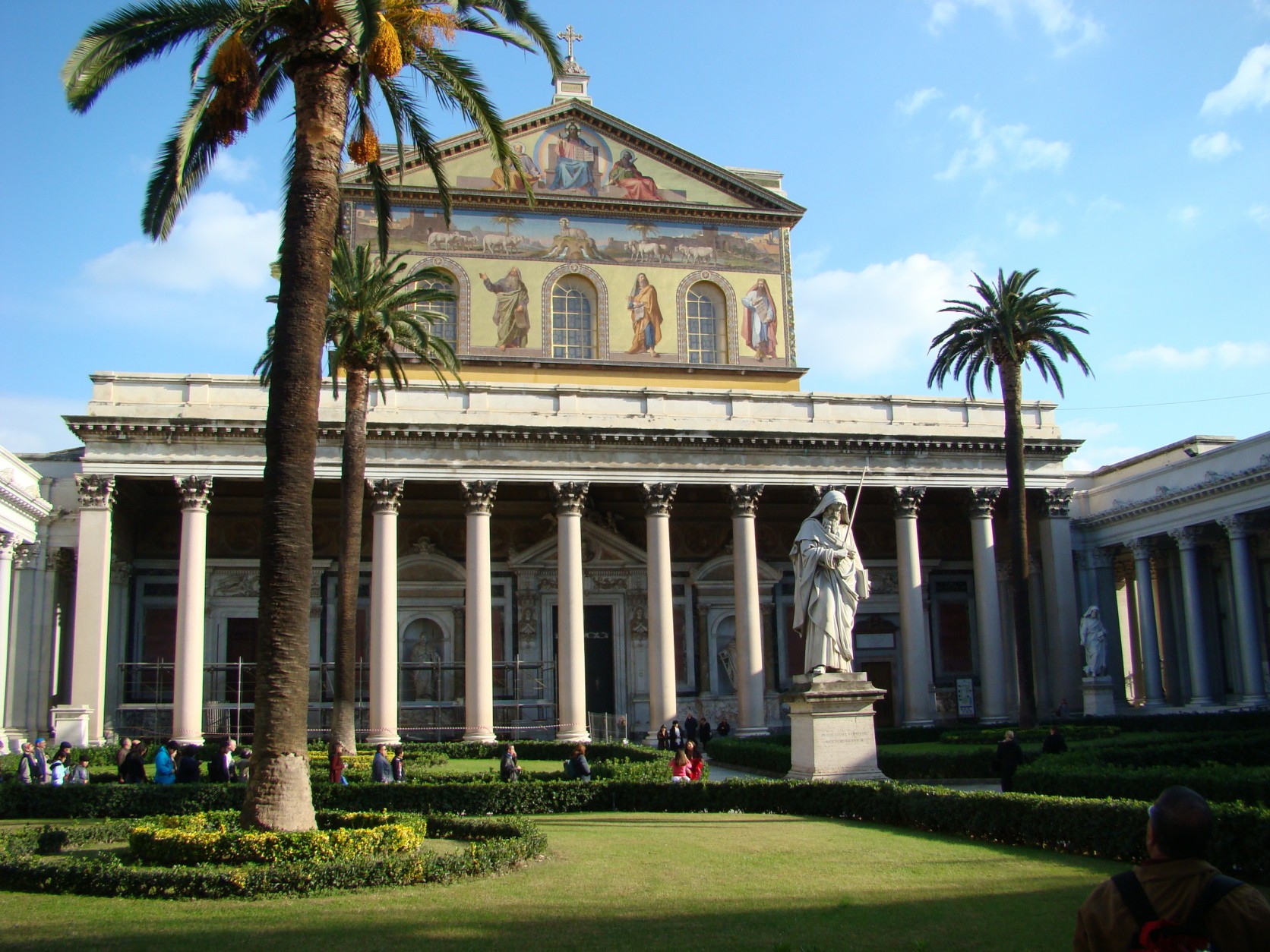
Saints Peter and Paul can be seen as having been the bridge that established the universal church. St. Peter led the Jewish tradition of old into the truth of Jesus the anointed one who they had been waiting for while St. Paul led the evangelization of the Gentiles into the revelation of the “unknown God” revealed in Jesus. It is our turn now to be a bridge for believers and non-believers. We must ensure that believers don’t simply live by religious tradition coming to church for weddings and funerals and only major holidays but are actively engaged in their faith and that nonbelievers are drawn to the mystery of faith through what they witness in the church. This is our calling so let our actions answer the question of who we say Jesus is in our lives.
Recent Comments