
Is. 56:1, 6-7; Ps 67:2-3, 5, 6, 8; Rom. 11:13-15, 29-32; Mt. 15:21-28
The Lord provides a “house of prayer for all peoples” who “observe what is right, do what is just”. We are living in an age when division not unity wants to rule the world. There is division of religion, politics, racism, classism all in the name of truth and justice. Jesus himself claims in Luke 12:51 “Do you think that I have come to establish peace on earth? No, I tell you but rather division”. Jesus speaks of division between the children of the kingdom and the children of the evil one not based on the color of the skin, national origin, rich and poor, Jew or Gentile but on the great faith that saves when we observe the law of God.
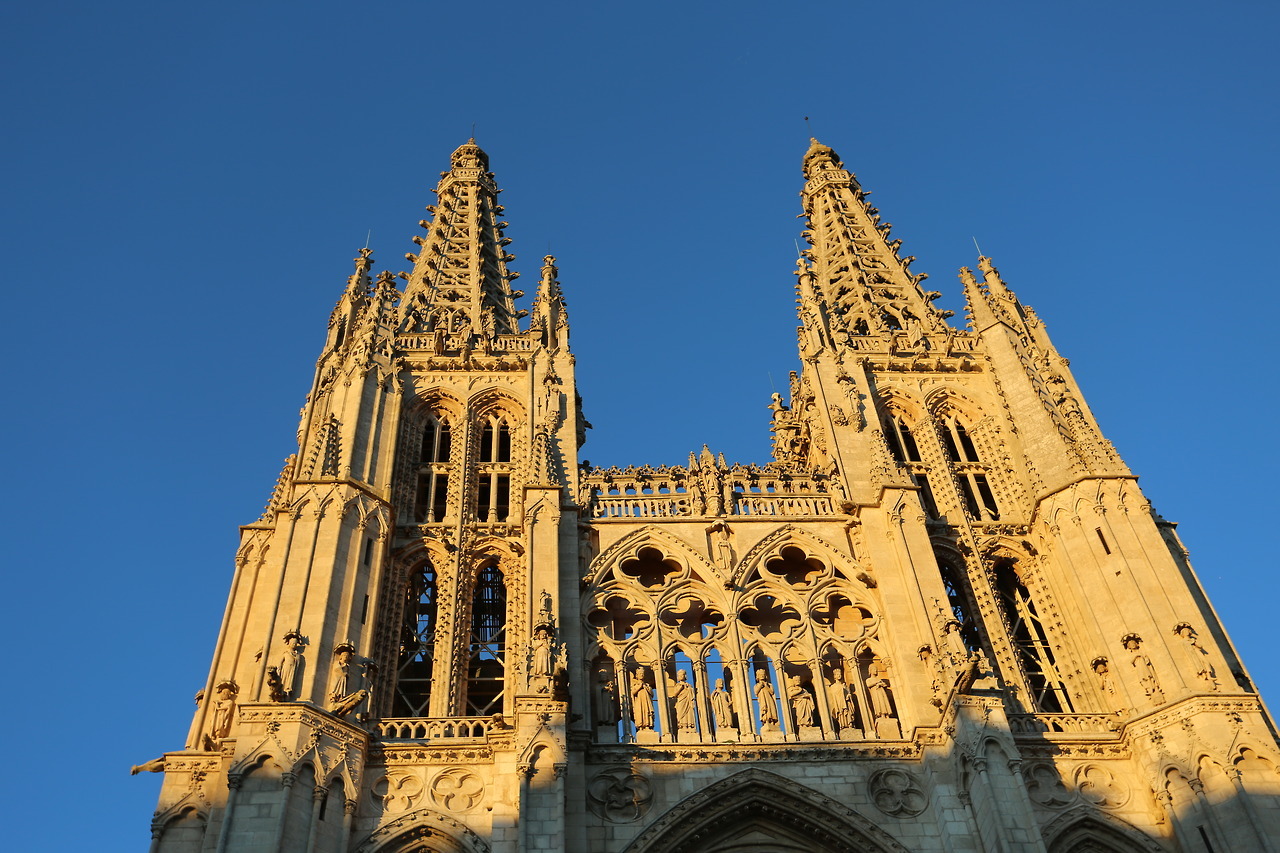
This is that house of prayer that Jesus instituted as he poured down the Holy Spirit upon his people on Pentecost. Pentecost is considered the birth of the Church with Jesus as our High Priest and the disciples as the new Apostolic priesthood for the world. We rejoice in this house of prayer uniting our worship of the one true God with all the angels and saints in the Eucharistic celebration of the body and blood of Jesus. It is the presence of Jesus in his house of prayer that is welcoming all people calling us to observe all that he taught.
This is also the house of prayer that teaches us to observe what is right by following his commandments, listening to the Word made flesh, participating in the sacrifice of the Mass, and doing what is just. It is what separates who is faithful to his teaching from everybody else. When the Gentile woman comes to beg Jesus for healing for her daughter it becomes what we call a “teaching moment”. Jesus knows who is his audience and the attitude between Jews and the Cannanites. Jesus speaks to the truth of his coming “to the lost sheep of Israel” but as we discover the lost sheep not only did not accept him but were seeking to kill him. The woman demonstrates a faith far greater than many of the Jews and he demonstrates salvation comes not from the Jewish laws but to those whose hearts are open to Jesus.
Jesus spoke harshly to the Canaanite woman for she represented a culture that was polytheistic, worshiping many gods who were condemned in the Old Testament. Canaanites were inhabitants of Sodom and Gomorrah destroyed by fire directly by God. They were hostile to the Israelites as God gives to Abraham in Genesis the land of Canaan. In this context we can say that the “enemy” of the Israelites is now asking for a favor from Jesus and he makes the comparison between children and dogs. The woman however has the great comeback “even dogs eat the scraps that fall from the table of their masters”. When we humble ourselves before the Lord, he is merciful and forgiving.
A child comes into this world through the womb of a mother. She gives life to this child, blood of her blood and through the womb a mother knows sacrificial love. When a child becomes sick a mother’s desire is to wish the sickness on herself if it would heal her child rather than see her child suffer. It is humbling to see a child suffer and from deep within the sincerity of prayer comes to life our nothingness if we don’t have God. The Canaanite woman was both humbled by Jesus and filled with faith and hope from her love of a daughter.
St. Paul calls himself “the apostle to the Gentiles”. The other apostles were going out to minister to the Jews in the synagogues that had spread throughout the ancient territory during several periods of exile called the Diaspora. While the Jewish population was significant it was also small compared to the rest of the Gentile world. Paul saw his calling was to the Gentiles who were pagan and followed many gods. In the end, Paul became the greatest evangelizer of the world. Paul desires “to make his race jealous” that they may see the face of God shine upon the Gentiles and come to conversion and “thus save some of them”.
The Catholic Church in its wisdom by the gift of the Spirit recognizes that if we are to give worship to God in his house of prayer we first must come and admit our sins to be forgiven and for our sacrifice of worship to be acceptable to the Lord. This is why our Mass begins with the Confiteor. As St. Paul says, “For God delivered all to disobedience, that he might have mercy upon all”. It is the visible testimony of our need for God to fill us with his grace and strengthen our resolve to be a better Christian, to live more holy lives, and to seek his perfection that his face may shine upon us as a visible sign of God’s mercy upon us.
As we come to Mass today let us come with the same desire and persistence to God as the Canaanite woman not acting out of the law of compliance but out of the law of love. Let our prayer speak to our minds and reach deep into our hearts. It is easy to fall into repetition of prayer and never truly pray. Prayer comes from deep within, an honest expression of our very being, thoughts, feelings and experience of life as an offering of ourselves to God in this his house of prayer.
Recent Comments